
(Use the information in this blog post at your own risk. Nothing presented in any form is to be construed as medical, nutritional, legal, or financial advice, or any other form of advice requiring a licensed professional. The opinions expressed here are intended for informational and entertainment purposes only.)
Infections plague even the healthiest of us occasionally. Whether it’s an insignificant flu strain or a serious MRSA infection, infection-fighting and antibacterial herbs can help support our bodies’ natural defense systems. While herbal knowledge is always valuable, knowledge about these particular herbs is very precious during emergencies when conventional medical care is unavailable.
3 Herbs for Infections
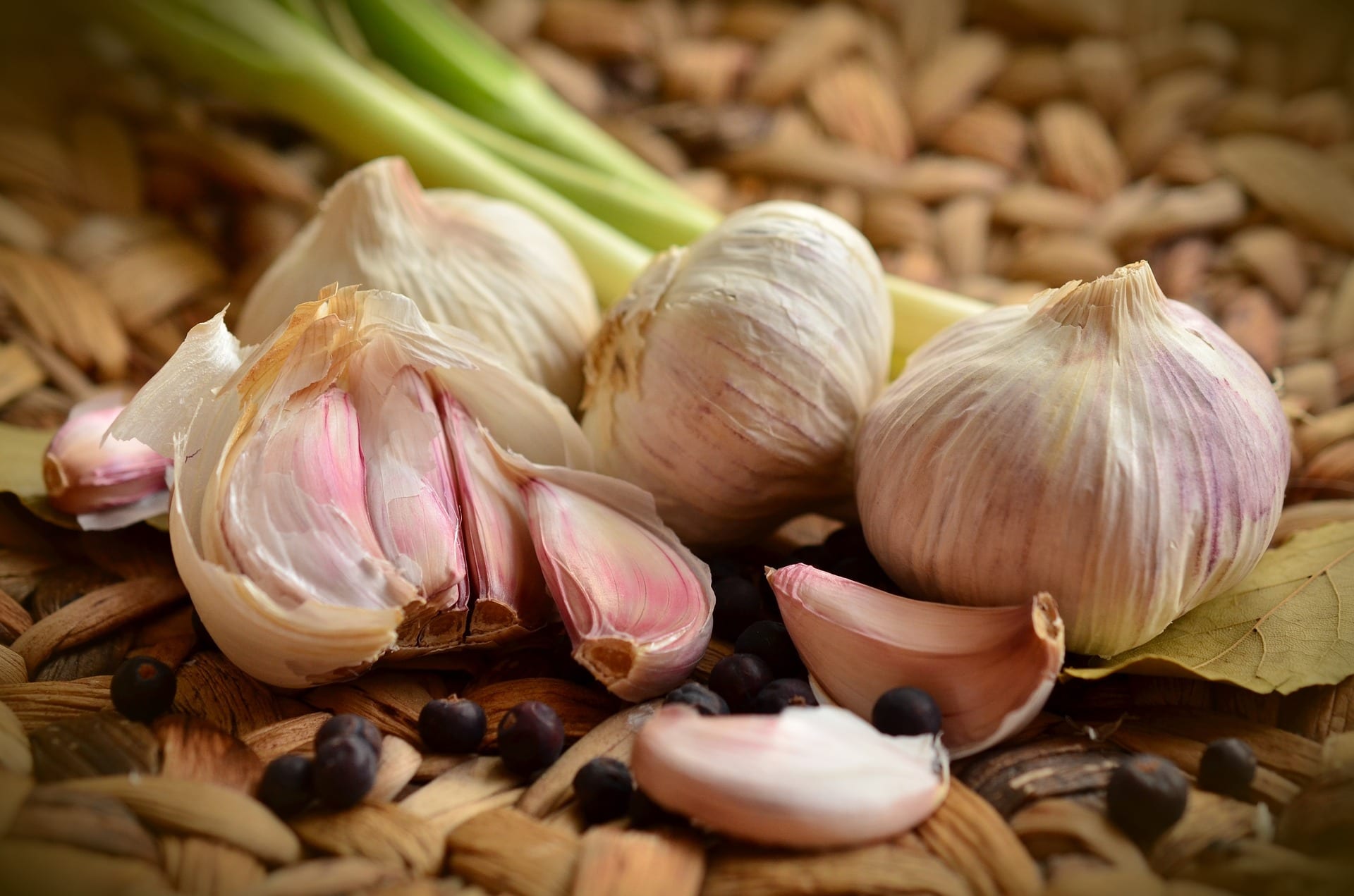
Garlic (Allium sativum)
Also known as a flavoring in the kitchen for pizzas and pastas, garlic is a valuable anti-infective herb. Cutting and exposing the garlic to air stimulants production of the anti-infective compound, making garlic effective against staph skin infections. In fact, one study of a medieval-era recipe using garlic was found effective against both staph and MRSA (antibiotic-resistant staph). Garlic also lowers blood pressure.

Echinacea (Echinacea angustifolia)
Pigeonholed as a cold and flu remedy, Echinacea is a relatively famous herb. Recent information, however, has shown that you should use the E. angustifolia root only. E. purpura shouldn’t be used, unless you juice the entire plant like they do in Germany. Echinacea is an immune-stimulant, if you take a lot of the tincture—not tea—at the beginning of an infection. It is also antimicrobial and useful for skin infections, bites, and wounds.
The term “snake oil” came from using Echinacea for snakebites. Not only does Echinacea help fight infections (like the other herbs for infections included in this post), but it also relieves pain, heals wounds, and reduces inflammation.
Berberine
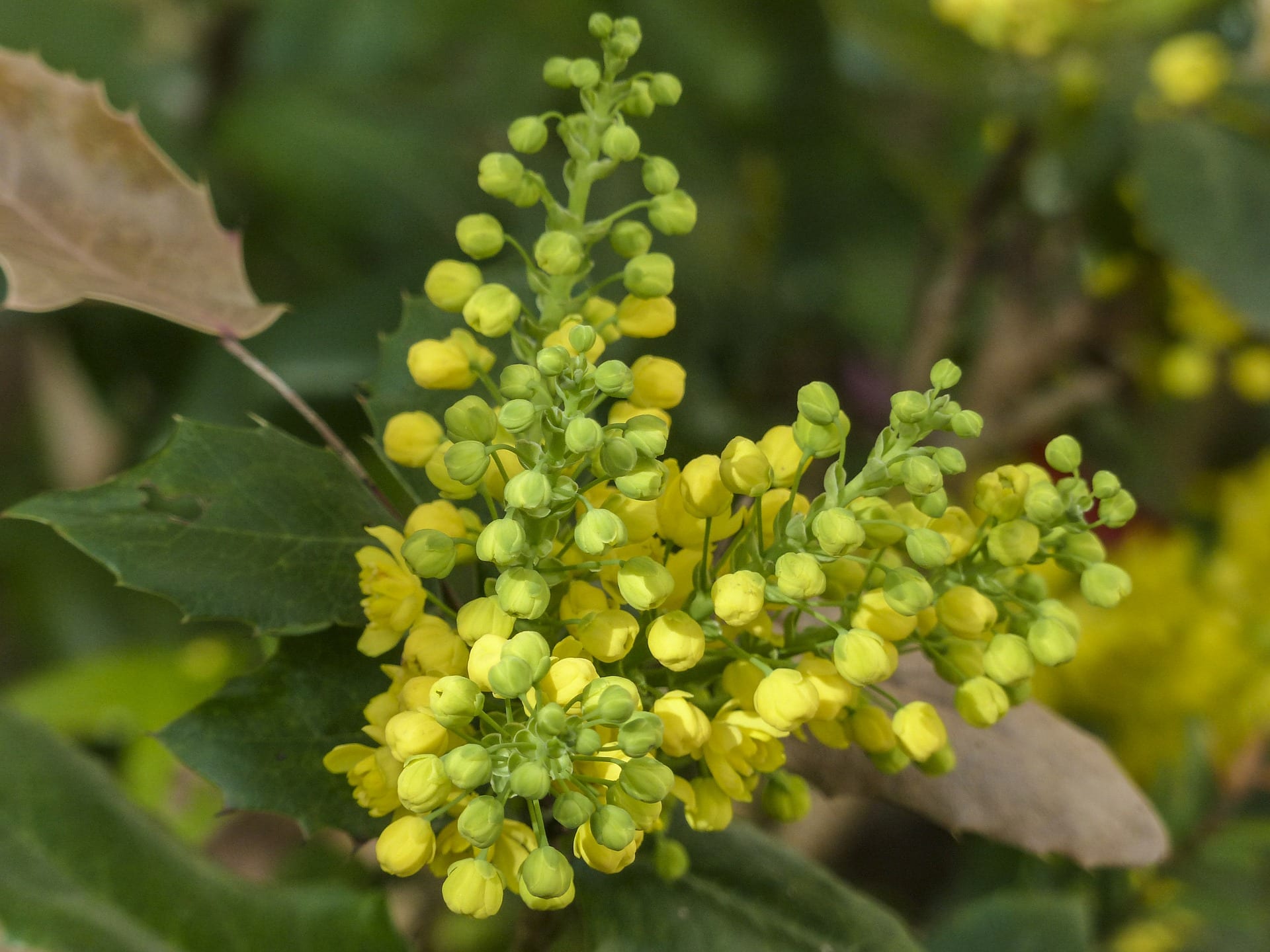
While not an actual herb, berberine is a natural chemical found in coptis, amur corktree, Oregon grape root, chaparral, goldenseal, and any mahonia root. (Goldenseal is better-known, but actually contains the least amount of berberine.) This chemical is a local antibiotic, meaning it doesn’t pass through the intestines into the bloodstream or the entire body.
Even as an antibiotic, one Chinese researcher has found that berberine does not kill off beneficial gut flora while helping fight unfriendly bacteria. Another trial also confirmed berberine’s usefulness for controlling blood glucose levels—berberine was as effective as metformin and, in addition, had good side effects on liver and cholesterol.
Photo Credit: William Brawley.

If you’ve ever left a doctor’s office with a prescription for antibiotics, and then RIPPED IT UP before you even reached the parking lot (or you’ve taken antibiotics that you NEVER WANTED because you didn’t know what else to do), then you’ll want to check this out.
Your instincts are right. There ARE more natural ways to handle serious infections, cuts, wounds, animal bites, breaks, sprains, and more!
Want to Learn More from Herbalist Cat Ellis?
Cat presented a training session in our Summit Online Course about how to make your own herbal medicines, including different preparation methods and overviews of her favorite 20 herbs. This course provides 30+ training sessions from experts like Cat Ellis, Wardee Harmon, Rick Austin, Wranglerstar, Sharon Peterson, Noah Sanders, Michael Bunker, Scott Hunt, and many more. It's a 45+ hours of content and includes $130+ in bonuses, too!

Read the Entire Herbal Medicine Chest blog series:
Introduction
Herbal Preparations
Herbs
- Herbs for the Circulatory System
- Herbs for the Respiratory System
- Herbs for Injuries and Pain
- Infection-fighting Herbs