

(Use the information in this blog post at your own risk. Nothing presented in any form is to be construed as medical, nutritional, legal, or financial advice, or any other form of advice requiring a licensed professional. The opinions expressed here are intended for informational and entertainment purposes only.)
We live a dangerous life. Ever since Adam’s rebellion, we’ve been falling and getting hurt! Thankfully, God provided herbs for injuries and pain. While most modern Americans reach for aspirin or Ibuprofen, there are plenty of herbs that not only relieve pain, but also heal…often without side effects.
8 Herbs for Injuries and Pain
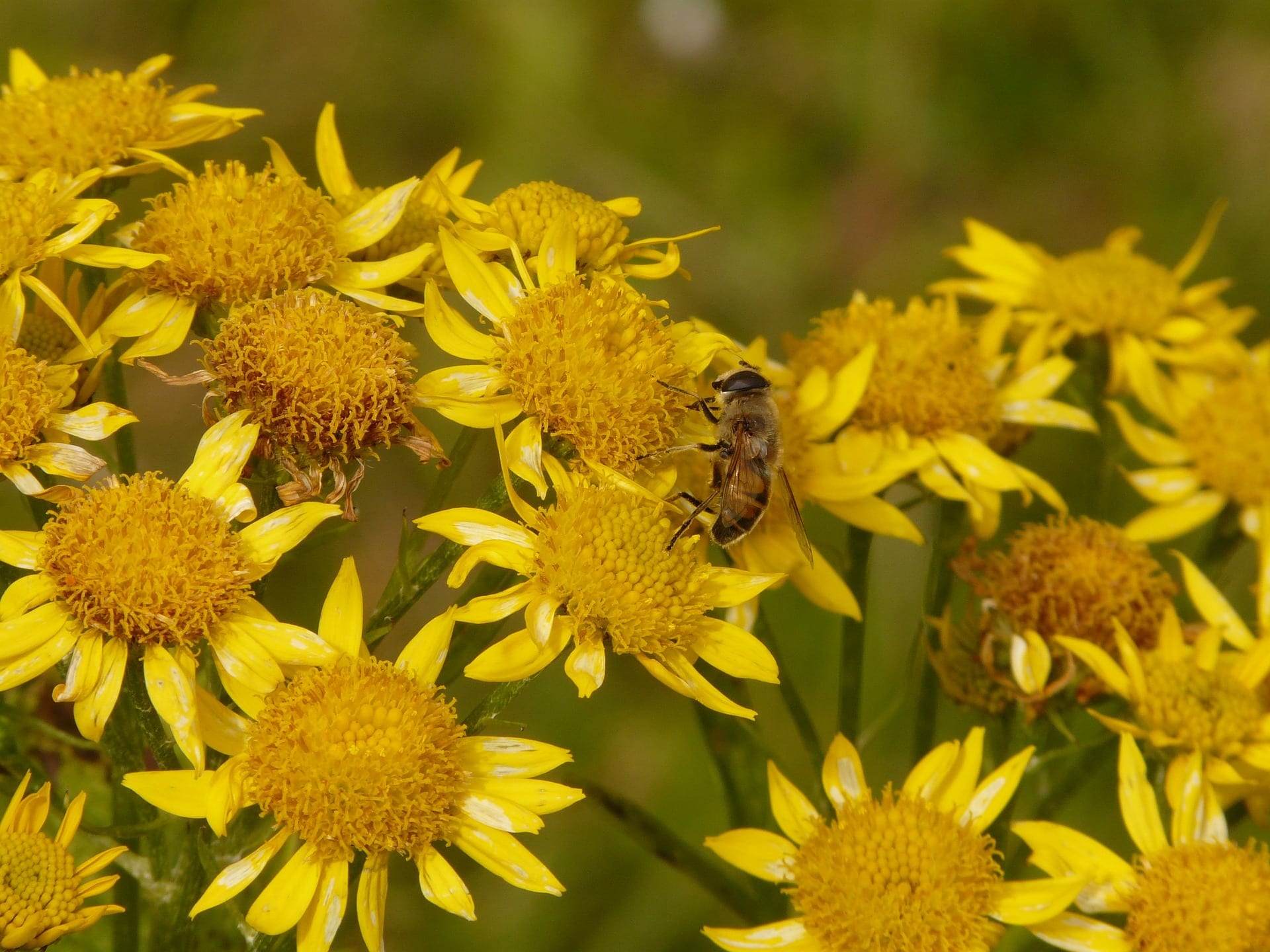
Meadow Arnica (Arnica chamissonis)
A natural trauma remedy, include arnica in your herbal first aid kit. While you shouldn’t use it on broken skin, it is a natural pain-reliever for external use.
Right now, however, arnica is ridiculously expensive. If you’re buying arnica, purchase it from a reputable source. If you buy it from just anywhere, it will probably have other yellow flowers mixed in with the arnica flowers.
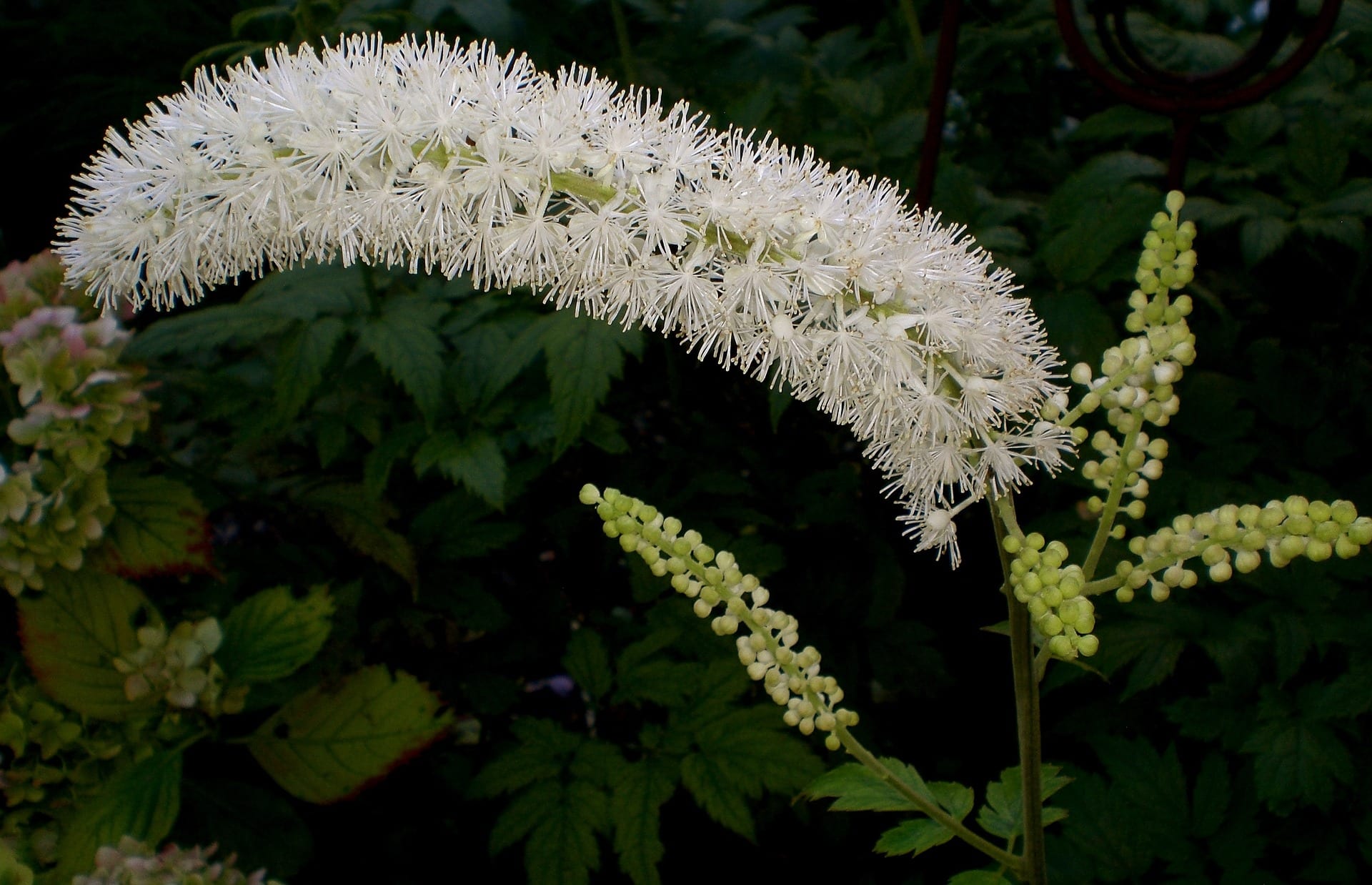
Black Cohosh (Actaea racemosa)
Pigeonholed as a women’s herb, black cohosh rhizomes (a part of the root) are added to pain-relieving tinctures and salves. A wonderful muscle relaxant that calms spasms, it is perfect for neck/back pain and tension.

White Willow (Salix alba)
We’ve all heard of this remedy, even if we don’t realize it! White willow is a pain reliever and anti-inflammatory (a natural “aspirin”). Aspirin is synthesized salicylic acid; white willow contains salicin, which your body metabolizes into salicylic acid. Though white willow does take extra time to take effect, Cat Ellis has found that it lasts longer and works better than aspirin.
Since the herb and the drug are so similar, however, avoid white willow if you’re allergic to aspirin. (Substitute meadowsweet.) Also, don’t give white willow to children with infections. There is a risk of Reye’s syndrome when using aspirin with children, and we don’t know if white willow poses the same risk.
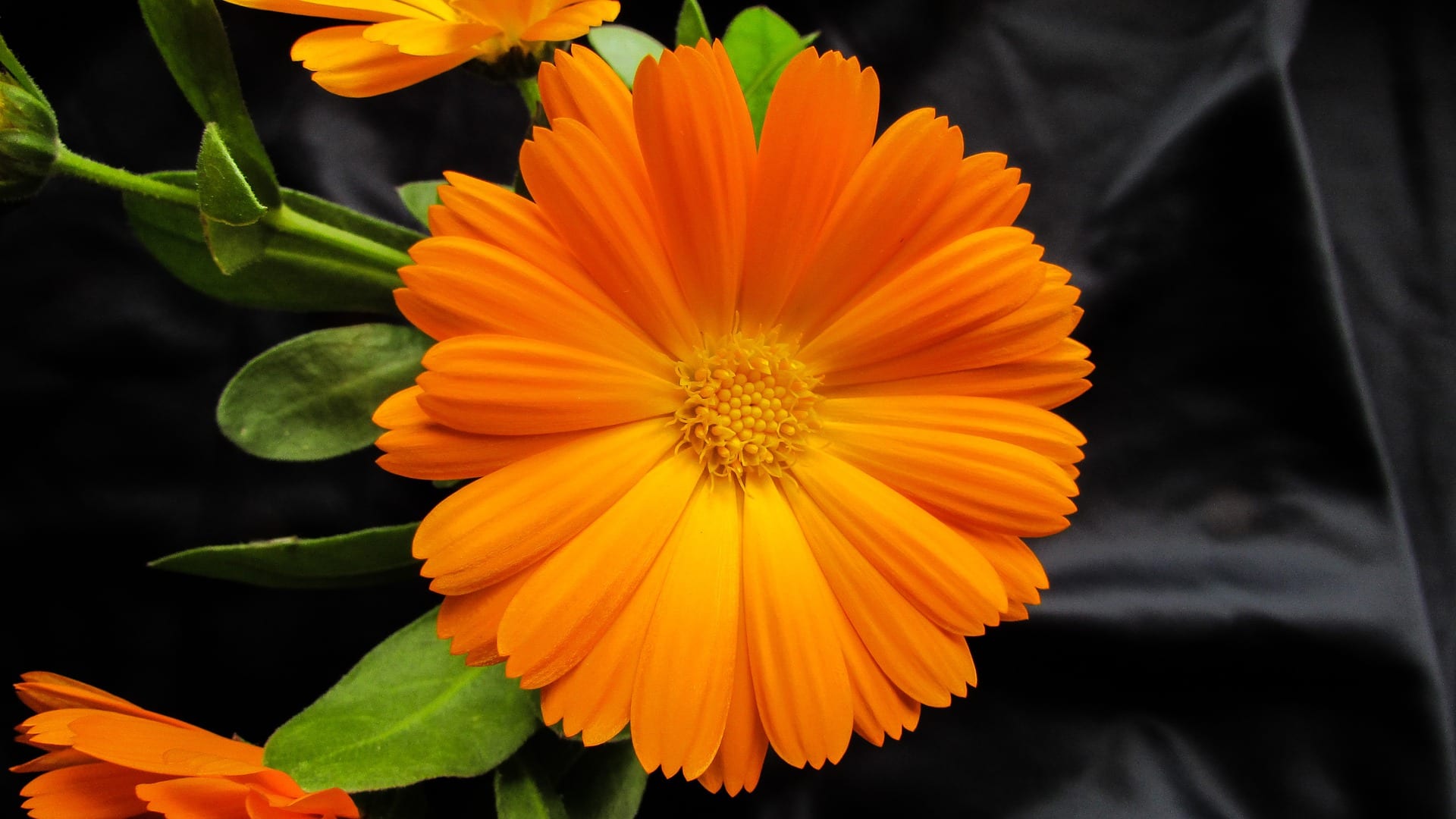
Calendula (Calendula officinalis)
A bright flower sometimes called marigold, calendula is your skin’s best friend. It soothes diaper rashes and other skin problems and is antifungal. Calendula is a great addition to eye washes. (Make sure you strain all of the plant material out using a muslin bag.) Calendula can help break a fever through sweating, too.
Just make sure you use Calendula officinalis for medicine—many ornamental varieties of calendula exist.
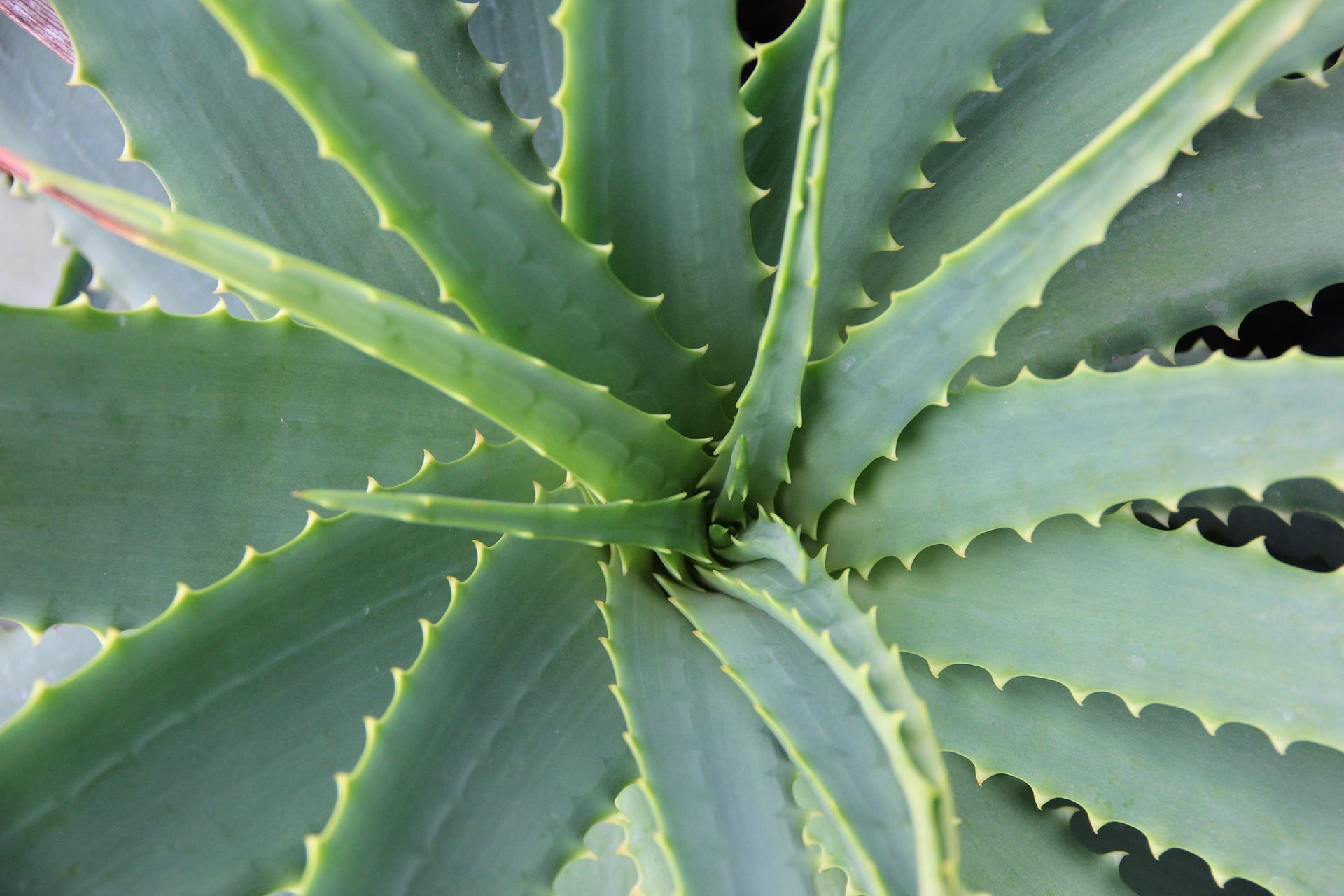
Aloe
You’ve probably seen this famous burn remedy on a kitchen windowsill somewhere. This succulent plant grows well indoors and works great for first-degree and second-degree burns. For everyday use, try replacing the water in lotion recipes with aloe.
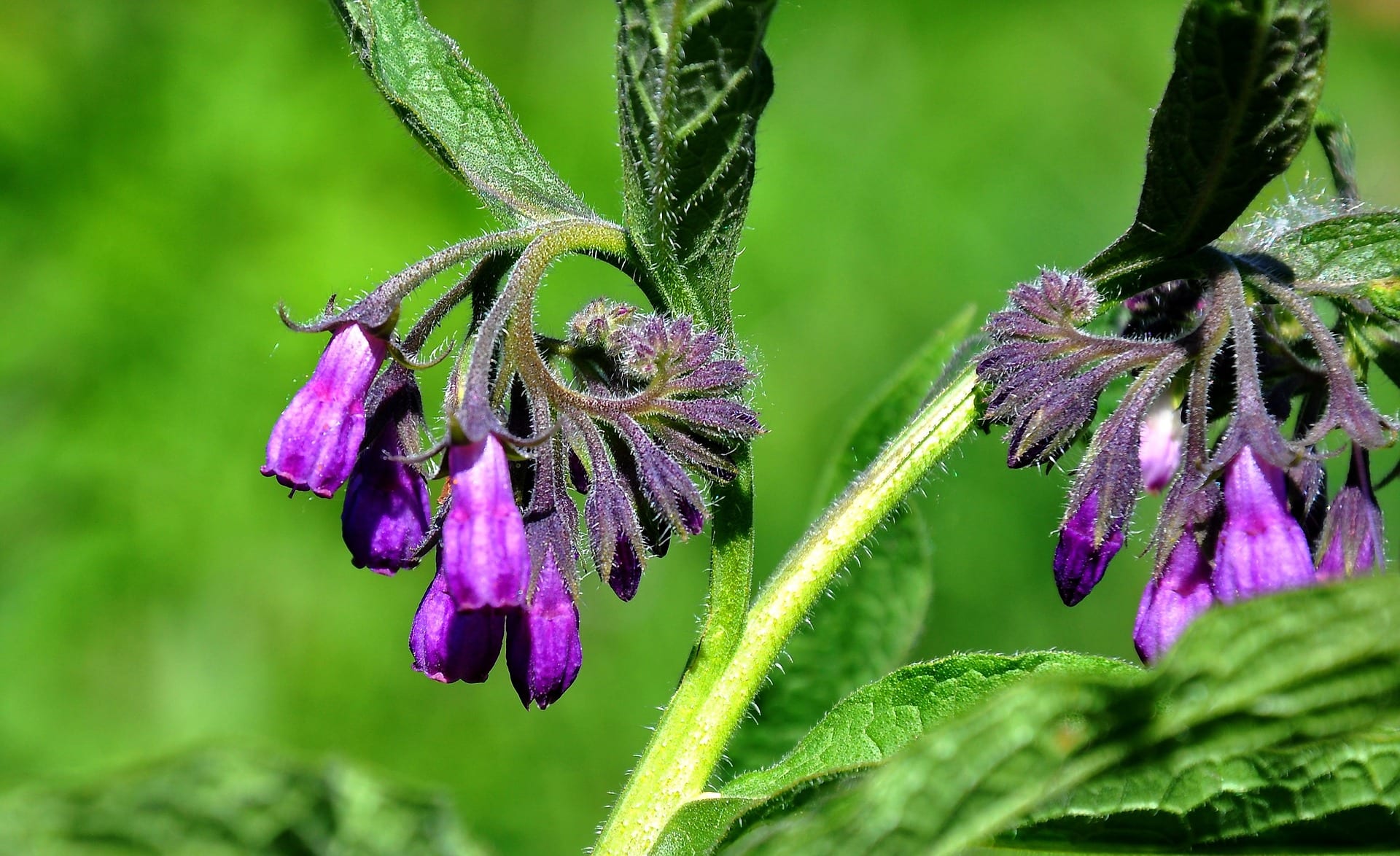
Comfrey (Symphytum officinale)
This powerful herb is a cell proliferator, meaning it helps increase the production of cells. It’s especially beneficial for healing broken bones and wounds. A powerful healer, it shouldn’t be used on deep wounds because comfrey will heal the outside of the wound too quickly and could trap bad bacteria inside! (For deep wounds, use St. John’s wort and honey instead.)
Be aware that Comfrey tea has become controversial due to its alkaloids. While many people have different opinions about comfrey, the warnings are based on a bad test.
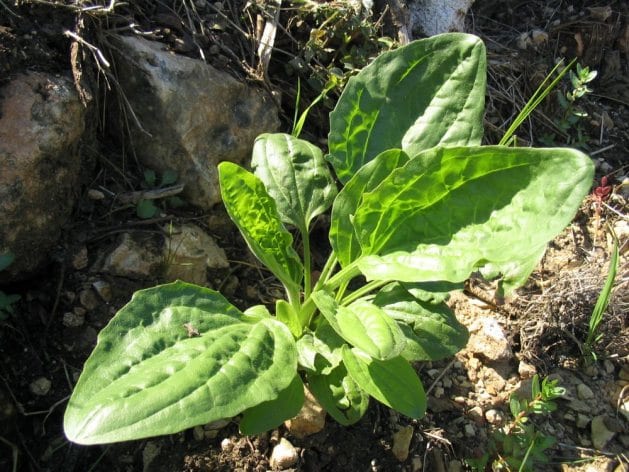
Plantain (Plantago major/P. lanceolata)
Often trampled underfoot as a weed, this favorite herb is great for injuries sustained outdoors. Plantain draws venom from bug bites/stings and heals wounds. Technically speaking, it’s an astringent, meaning it pulls cells together, making healing easier. Plantain is also a demulcent, meaning it moistens tissues.
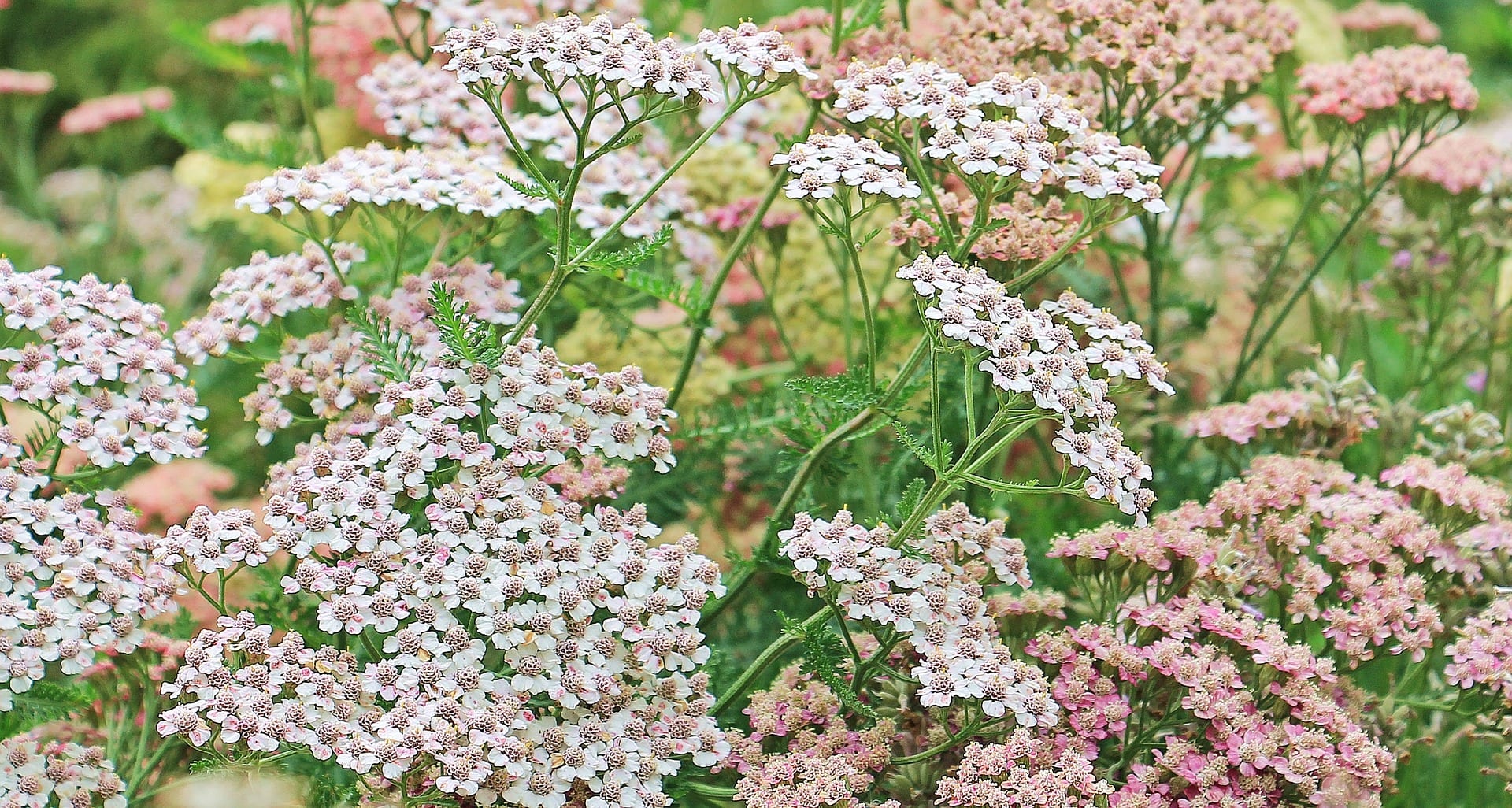
Yarrow (“Battlefield Herb”)
This plant might have feathery leaves, but it’s no weakling. Like plantain, yarrow is an astringent and also anti-inflammatory. Most importantly, it’s a styptic. (That means it stops bleeding.) The leaf or powder of the flower assists with blood clotting. In addition, yarrow helps heal wounds.
Photo Credit: Gustavo Devito.

If you’ve ever left a doctor’s office with a prescription for antibiotics, and then RIPPED IT UP before you even reached the parking lot (or you’ve taken antibiotics that you NEVER WANTED because you didn’t know what else to do), then you’ll want to check this out.
Your instincts are right. There ARE more natural ways to handle serious infections, cuts, wounds, animal bites, breaks, sprains, and more!
Want to Learn More from Herbalist Cat Ellis?
Cat presented a training session in our Summit Online Course about how to make your own herbal medicines, including different preparation methods and overviews of her favorite 20 herbs. This course provides 30+ training sessions from experts like Cat Ellis, Wardee Harmon, Rick Austin, Wranglerstar, Sharon Peterson, Noah Sanders, Michael Bunker, Scott Hunt, and many more. It's a 45+ hours of content and includes $130+ in bonuses, too!

Read the Entire Herbal Medicine Chest blog series:
Introduction
Herbal Preparations
Herbs
- Herbs for the Circulatory System
- Herbs for the Respiratory System
- Herbs for Injuries and Pain
- Infection-fighting Herbs