
This post is part of the 30 Ways of of Homesteading blog series hosted by the Prepared Bloggers Network during the month of April.

Most people that pursue a life of homesteading come from a typical suburban background, and seek to smooth the transition by looking for a property with at least a modest home and some infrastructure that will facilitate the building of a homestead.
In rare cases, a homesteader will buy raw land and build everything from the ground up.
This can often be more expensive due to the cost of modern construction, but if approached the right way, the resources on the land can be leveraged to reduce the cost of building, sometimes drastically.
This is the story of one of those rare breed of homesteaders, doing things the “hard” way.
Meet Josh and Lena Deel, of Barefoot Farms and Permaculture in the Sinking Creek Valley of the Western Highlands of Virginia.

Josh and Lena met while attending Liberty University in Lynchburg, VA, and married young. Josh was on course to be a Rhodes scholar and pursue studies in Scotland, but he had a major change of heart and decided to become a farmer instead, and pursue a simpler and more meaningful life built upon being a good steward of the land and raising his family to do the same.
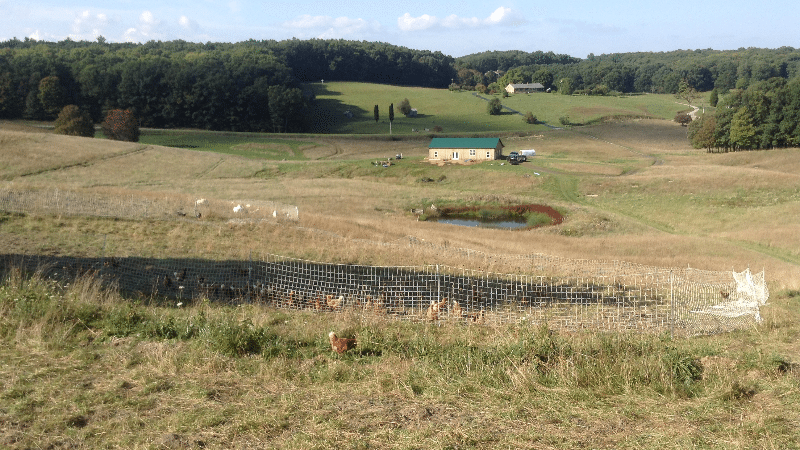
Josh changed his studies to get certified as a permaculture design consultant, and has begun to build his farm and homestead following permaculture principles. They acquired a large parcel of land in 2013 with mostly rolling pasture and some woods in the beautiful Sinking Creek Valley of Virginia, in the Alleghany Highlands west of Roanoke.
One of Josh’s areas of emphasis is to wisely steward the resources God has blessed them with in the land they’ve taken possession of.
The first major project Josh and Lena undertook in the fall of their first year was to install swales (drainage culverts parallel to the contour of the hillside) and plant over 4000 fruit and nut trees along the swales (as well as 1000 elderberry bushes).
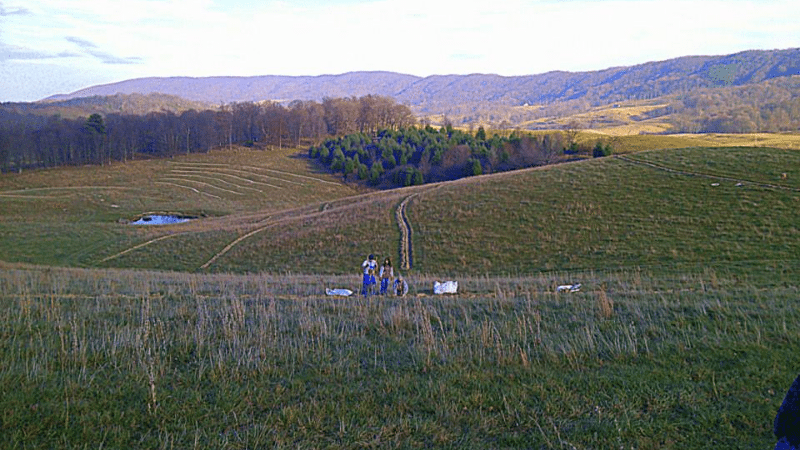
These fruit and nuts trees will, in the years to come, provide shade, natural boundaries, and create a food forest for both the grazing animals that rotate amongst the paddocks that they form and for their family and local community to eat from.
They also began to build a straw bale house that will be finished with cob, from the timber, stone, and earth on their property. While this house project was postponed, they plant to finish it in the coming year.
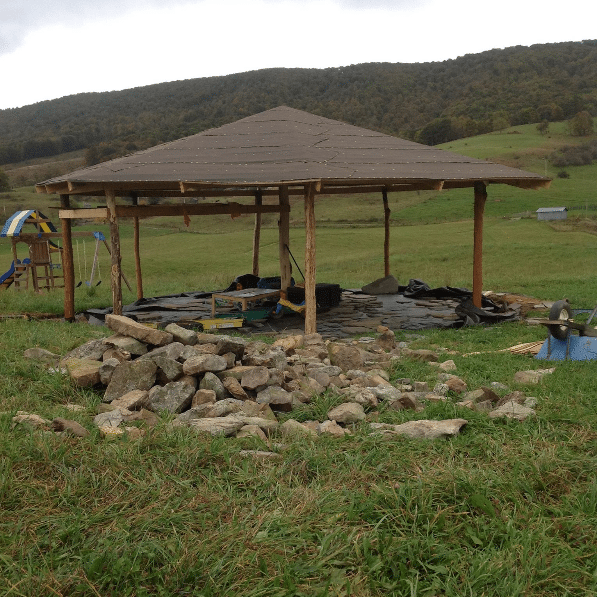
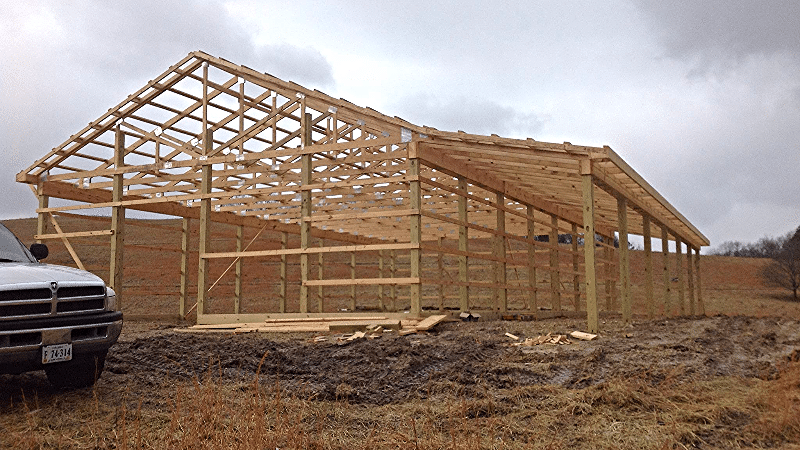
During their first winter and spring, they built a pole barn structure to be used as their farm store front and operations hub for the farm.
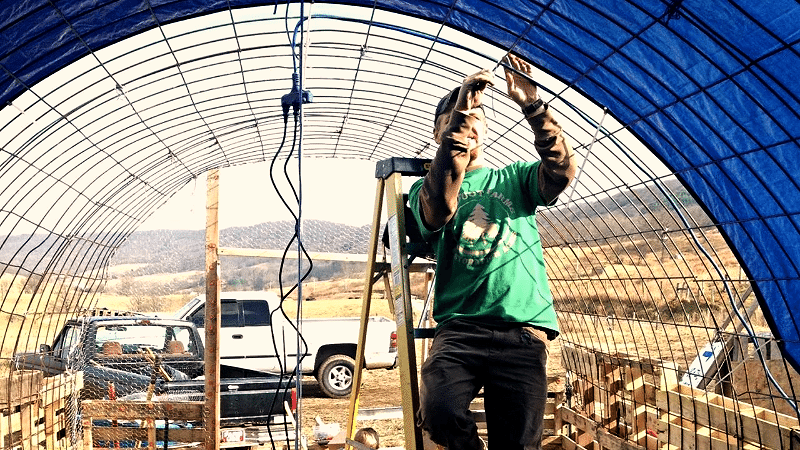
They have built a greenhouse to shelter their laying hens during the winter and start their seedlings in during the spring, and they will soon be installing another larger greenhouse to expand their ability to grow food year round, even in this high elevation valley that sees cold winters.
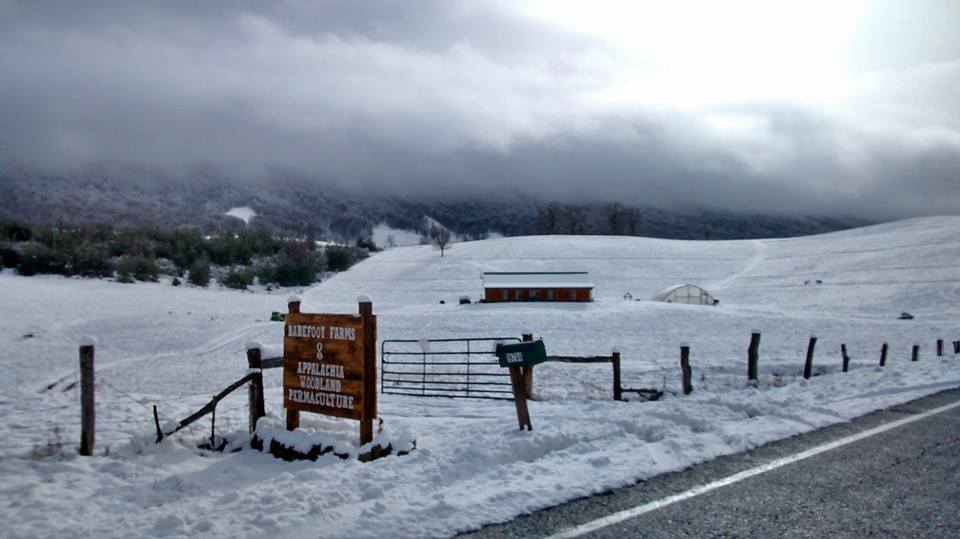
With this kind of climate, they obviously need a barn to store hay and shelter animals during the winter. To fill that need, Josh turned to the woods for the resources needed.
In the next installment of this story, I’ll share the recent developments to build this homestead from the ground up…
This post is part of the 30 Ways of of Homesteading blog series hosted by the Prepared Bloggers Network during the month of April.
The Prepared Bloggers Network is at it again! We’re glad you’ve found us, because the month of April is all about homesteading.
Homesteading is a lifestyle of self-sufficiency. It is characterized by growing your own food, home preservation of foodstuffs, and it may even involve the small scale production of textiles, clothing, and craftwork for household use or sale. Most importantly homesteading is not defined by where someone lives, such as the city or the country, but by the lifestyle choices they make.
The Prepared Bloggers are passionate about what they do and they each have their own way of achieving self-sufficiency. Grab your favorite drink and enjoy reading about the 30 Ways of Homesteading!
Crops on the Homestead
Straw Bale Gardening from PreparednessMama
Crop Rotation for the Backyard Homesteader from Imperfectly Happy
Benefits of Growing Fruit from SchneiderPeeps
Succession Planting: More Food in the Same Space from 104 Homestead
Crops to Grow for Food Storage from Grow A Good Life
Winter Gardening Series from Our Stoney Acres
How To Build a Raised Garden Bed For Under $12 from Frugal Mama and The Sprout
How to Save Carrot Seeds from Food Storage and Survival
Animals on the Homestead
Getting Your Bees Started from Game and Garden
Homesteading How-To: Bees from Tennessee Homestead
How to Get Ready for Chicks from The Homesteading Hippy
Selecting a Goat Breed for Your Homestead from Chickens Are a Gateway Animal
Adding New Poultry and Livestock from Timber Creek Farm
Beekeeping 101: 5 Things To Do Before Your Bees Arrive from Home Ready Home
How to Prepare for Baby Goats from Homestead Lady
How to Prevent and Naturally Treat Mastitis in the Family Milk Cow from North Country Farmer
Tips to Raising Livestock from Melissa K. Norris
Raising Baby Chicks – Top 5 Chicken Supplies from Easy Homestead
Making the Homestead Work for You – Infrastructure
Ways to Homestead in a Deed Restricted Community from Blue Jean Mama
Building a Homestead from the Ground Up from Beyond Off Grid
DIY Rainwater Catchment System from Survival Prepper Joe
Finding Our Homestead Land from Simply Living Simply
I Wish I Was A Real Homesteader by Little Blog on the Homestead
Endless Fencing Projects from Pasture Deficit Disorder
Essential Homesteading Tools: From Kitchen To Field from Trayer Wilderness
Homesteading Legal Issues from The 7 P’s Blog
Why We Love Small Space Homesteading In Suburbia from Lil’ Suburban Homestead
Preserving and Using the Bounty from the Homestead
How to Dehydrate Corn & Frozen Vegetables from Mom With a Prep
How to Make Soap from Blue Yonder Urban Farms
How to Render Pig Fat from Mama Kautz
How to Make Your Own Stew Starter from Homestead Dreamer
Why You Should Grow and Preserve Rhubarb! from Living Life in Rural Iowa
It’s a Matter of Having A Root Cellar…When You Don’t Have One from A Matter of Preparedness

